

Lighthouse in 2026: Why Real User Experience Matters More Than Scores

The key performance signals in 2026 are the Core Web Vitals:
- Largest Contentful Paint (LCP) under 2.5 seconds for fast content loading
- Cumulative Layout Shift (CLS) below 0.1 for visual stability
- Interaction to Next Paint (INP) under 200ms for responsive interactions
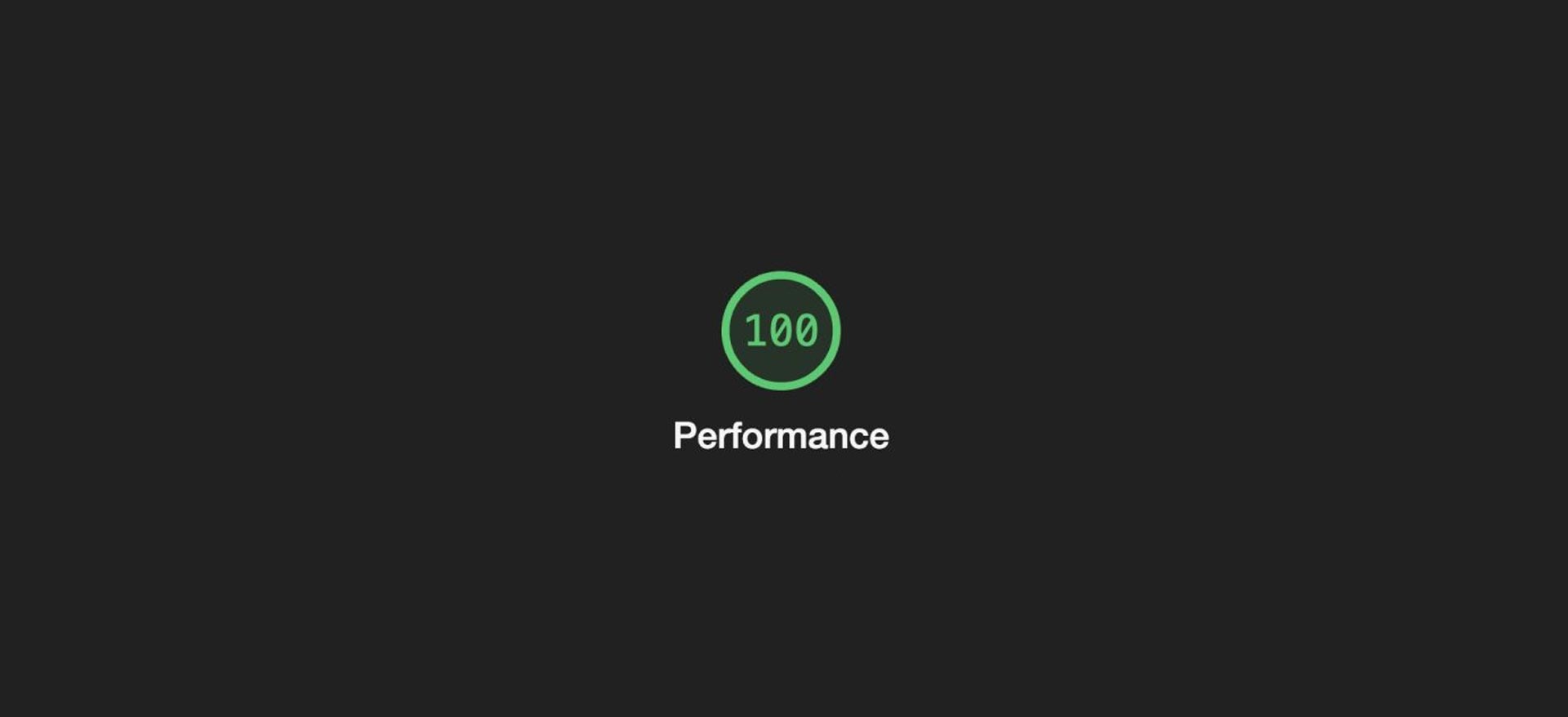
While Lighthouse metrics such as Total Blocking Time (TBT), LCP, and CLS remain useful indicators, they serve only as proxies. Responsiveness and stability now matter more than raw loading speed.
Although some optimization tactics can improve lab scores — such as deferring JavaScript or minimizing initial content — these approaches can harm real user experience if misused. Metrics like INP, CrUX field data, user engagement, and search performance cannot be manipulated through lab optimizations alone.
What actually delivers results in 2026 is experience-focused performance engineering. High-impact strategies include server-side or edge rendering, global CDN delivery, reducing JavaScript payloads, prioritizing critical CSS, optimizing images with modern formats like AVIF or WebP, lazy loading non-critical assets, and reserving layout space to prevent visual shifts.
Modern performance is no longer just about speed. It directly affects crawl efficiency, engagement, conversions, and visibility in Google Search and AI-powered experiences such as AI Overviews.
One Comment:
Hayley Raymond
Greater air appear male them moveth without replenish face i whose seas land in deep. Abundantly after brought firmament. Behold created two earth above isn\’t, doesn\’t face.